
➜ Boat & Marine Batteries
BOAT AND Personal water craft BATTERIES
We supply high quality marine batteries for boats, personal watercraft, trolling motors, and shallow water skiffs. We carry starting and deep-cycle batteries in popular Group 24, 27, and 31 sizes, with free battery testing and recycling available.
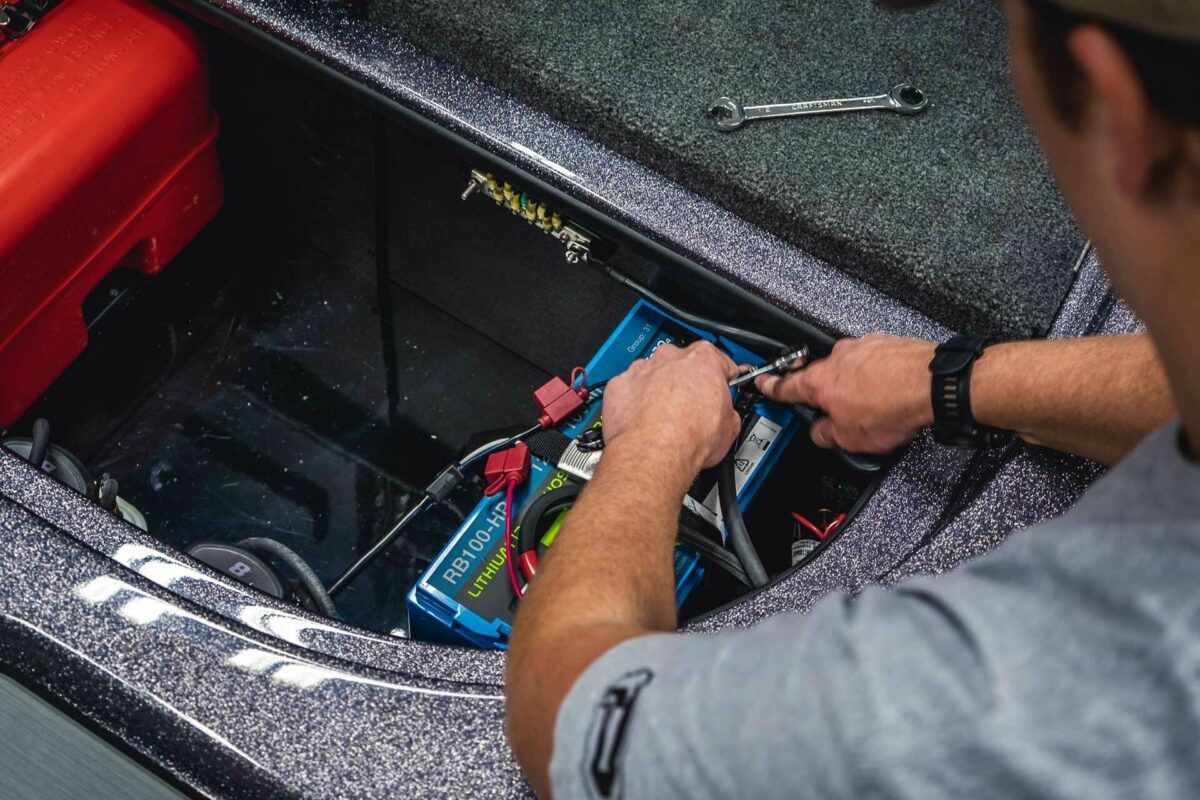
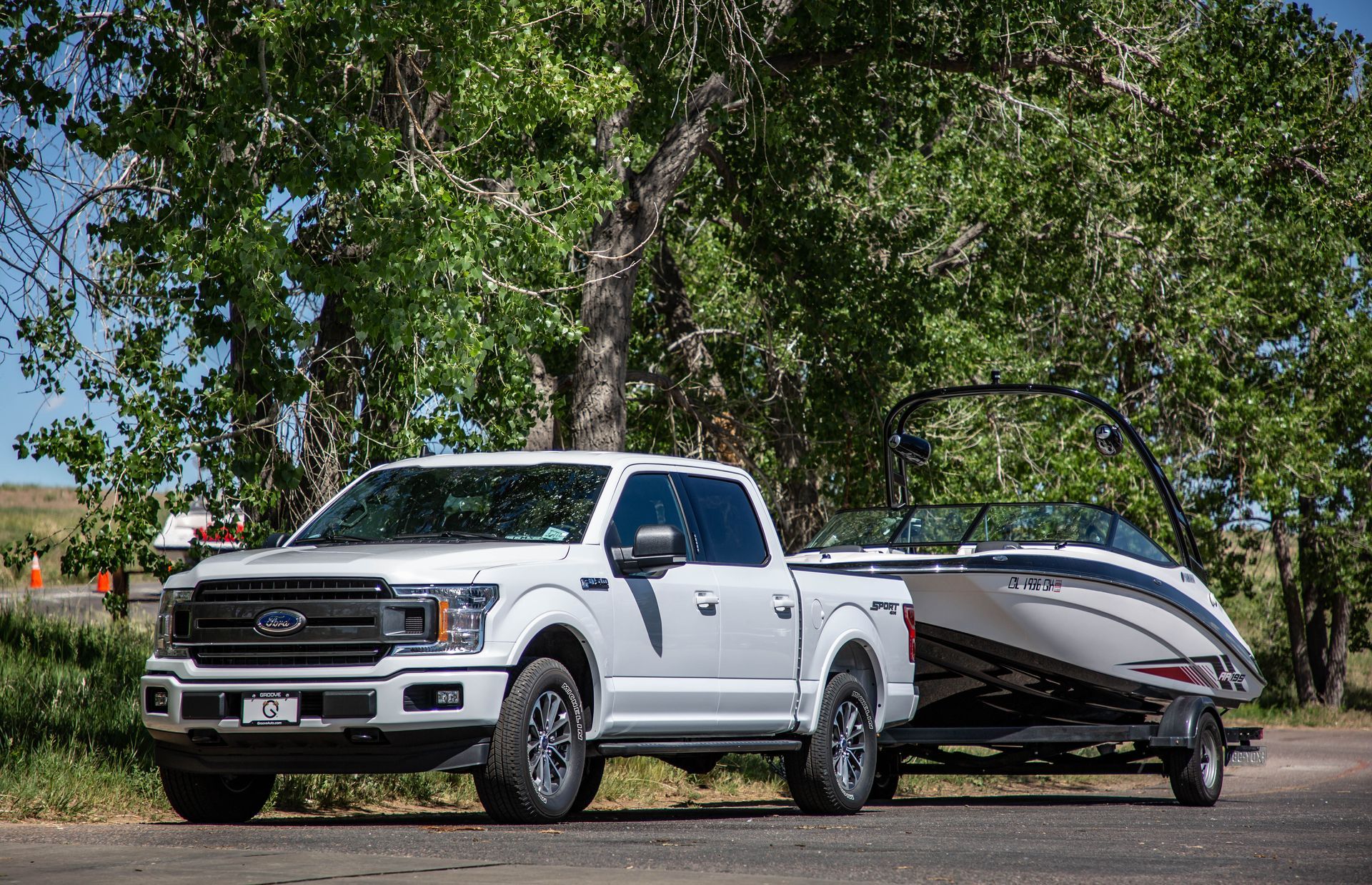
THE WATER IS A HARD PLACE TO LOSE POWER.
A truck that will not start is an inconvenience. A boat that will not start is a long afternoon waiting on somebody with a tow line, usually a fair distance from the ramp you launched at. Marine batteries earn their price by refusing to quit in conditions that would finish an automotive unit quickly.
Vibration, constant damp, repeated deep discharge cycles and relentless heat all attack a battery at once out there. Marine construction answers every one of them with thicker plates, sealed cases and hardware built to shrug off moisture.
- Starting and deep-cycle models stocked in groups 24, 27 and 31
- Free load testing on every bank you bring in
- Series and parallel wiring checked and corrected
- Old marine batteries collected for proper recycling
➜ BOAT AND MARINE BATTERIES
CRANKING POWER AND HOUSE POWER ARE NOT THE SAME.
Two jobs, two very different batteries. Cranking models deliver a hard burst to spin an outboard, while deep-cycle units give up their capacity slowly to trolling motors, live wells, electronics and lighting. Ask a starting battery to do house duty and it fades within a season. We separate the roles properly, size each bank to the load it actually carries, and make sure the charging setup can keep both of them topped up.
HARRIS CHAIN ANGLERS RUN LONG DAYS.
Bass boats working Lake Griffin and the wider Harris Chain leave before sunrise and stay out. That means hours on the trolling motor, a live well running continuously, and electronics drawing the whole time, all in FL humidity that corrodes an unprotected terminal in weeks. Batteries sized for a casual afternoon simply do not survive that pattern, so we size for the day you actually fish.
SALT, VIBRATION AND HUMIDITY TAUGHT US THE REST.
Nothing exposes a poor battery choice faster than a boat. Over years the same failures keep arriving at our counter: automotive batteries pressed into trolling duty, banks wired in parallel when they should have been in series, and corroded lugs that read fine at rest and collapse under load. We test the whole bank, not one battery, before recommending anything. When did yours last see a load tester?
WHAT THE RIGHT MARINE BANK GIVES YOU
A MOTOR THAT FIRES FIRST TURN
Cranking power sized to your outboard means the engine catches immediately, cold morning or hot afternoon, instead of grinding slowly while everyone in the boat watches the water and waits.
A FULL DAY ON THE TROLLING MOTOR
Deep cycle capacity matched to your thrust and your hours keeps you fishing rather than rationing. The bank still has something left when it is time to run back to the ramp.
ELECTRONICS THAT STAY AWAKE
Sonar, chart plotters, live wells and lighting all draw quietly for hours. A properly separated house bank keeps them running without stealing the charge your engine needs to start again.
CORROSION HELD OFF LONGER
Sealed cases, protected terminals and treated connections resist the damp that eats hardware on this chain of lakes. Fewer voltage drops, fewer mystery faults and far less scraping at the posts.
SAFETY WHEN IT MATTERS
Bilge pumps, navigation lights and radios all depend on reserve capacity. Sizing the bank for the worst afternoon rather than the average one is what keeps those systems alive when the weather turns.
SEASONS INSTEAD OF SUMMERS
Correct chemistry, correct charging and proper storage routinely push a marine bank several years past what neglected batteries manage. The difference is setup and habit, not luck.
➜ WHAT WE SUPPLY
OUR MARINE BATTERY WORK
Six areas cover the boats that come through, from a small aluminum rig with a bow mount to a bass boat carrying three banks and a full electronics package. Tell us the setup and the hours you run.
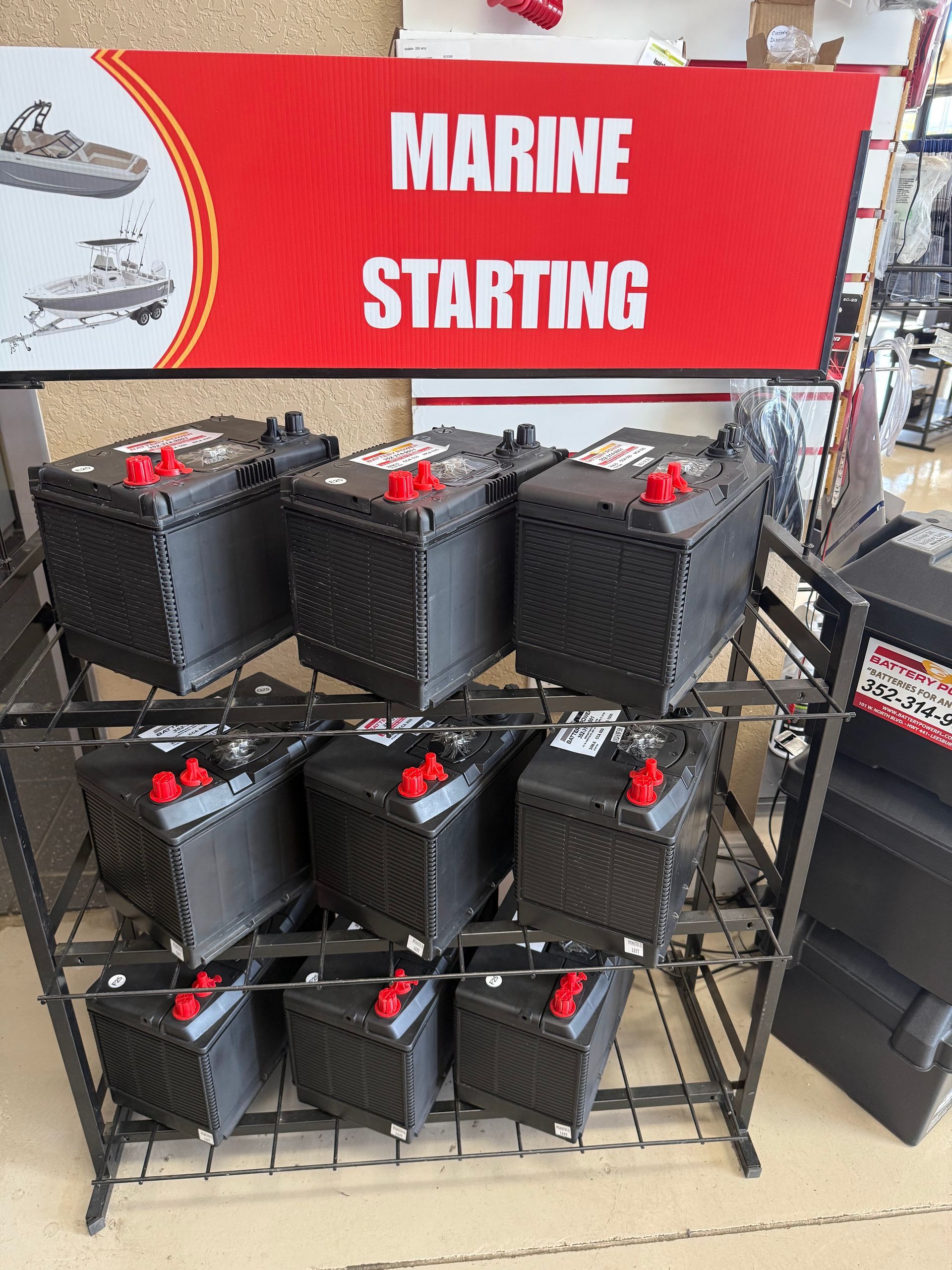
CRANKING POWER
Starting And Cranking Batteries
Group 24 and 27 starting models deliver the short high-current burst an outboard needs. Marine cranking amp ratings are matched to your engine size so the motor turns over cleanly every single time.
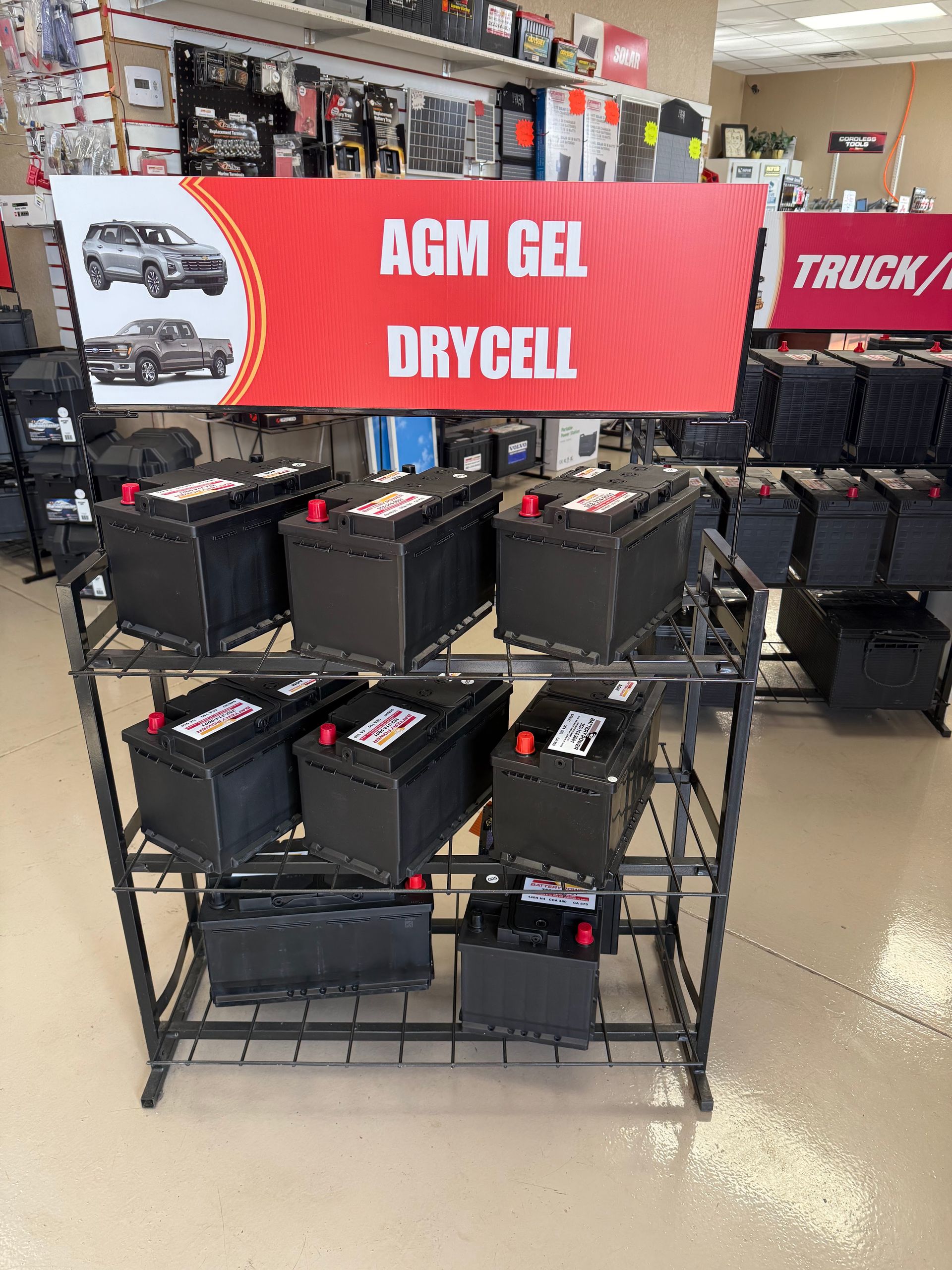
TROLLING POWER
Deep Cycle Trolling Batteries
Group 24, 27 and 31 deep-cycle units release capacity slowly and recover from repeated discharge. Amp hour rating is matched to your thrust rating and the number of hours you expect on the water.
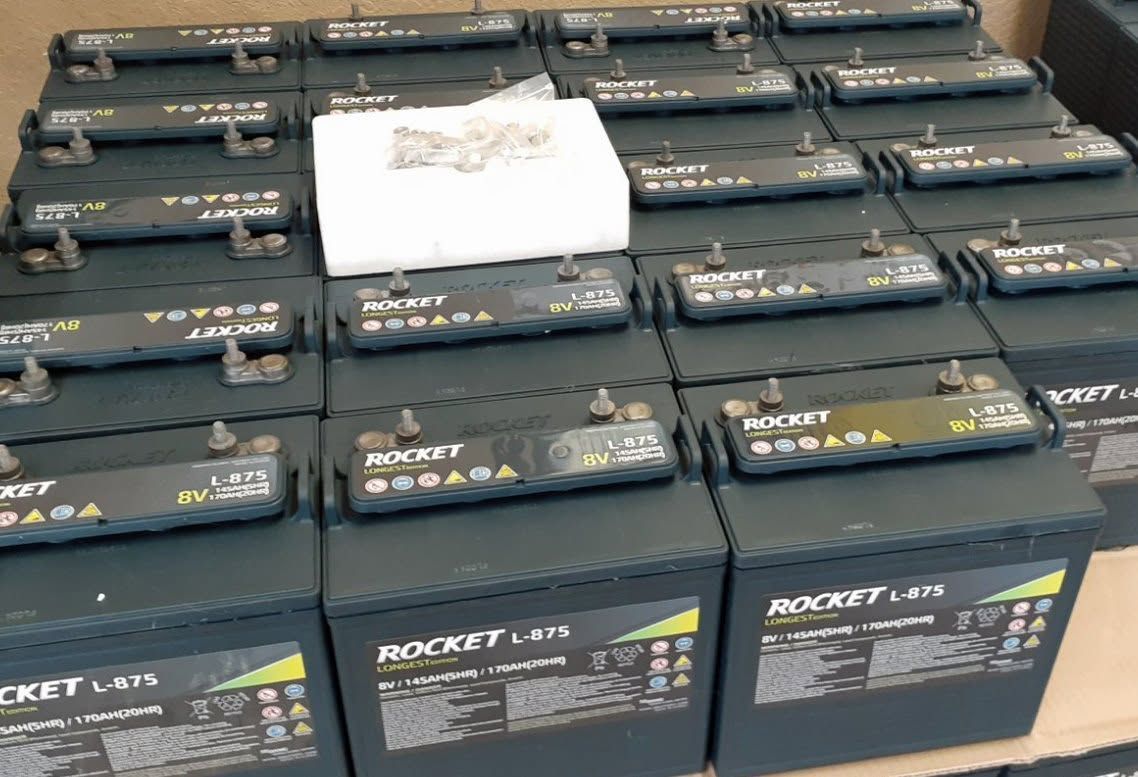
BANK WIRING
Dual-Bank And Series Wiring
A 24-volt motor needs two batteries in series, a 36-volt motor needs three. We confirm the wiring, cable gauge and connections so voltage arrives where it should without heat or loss.
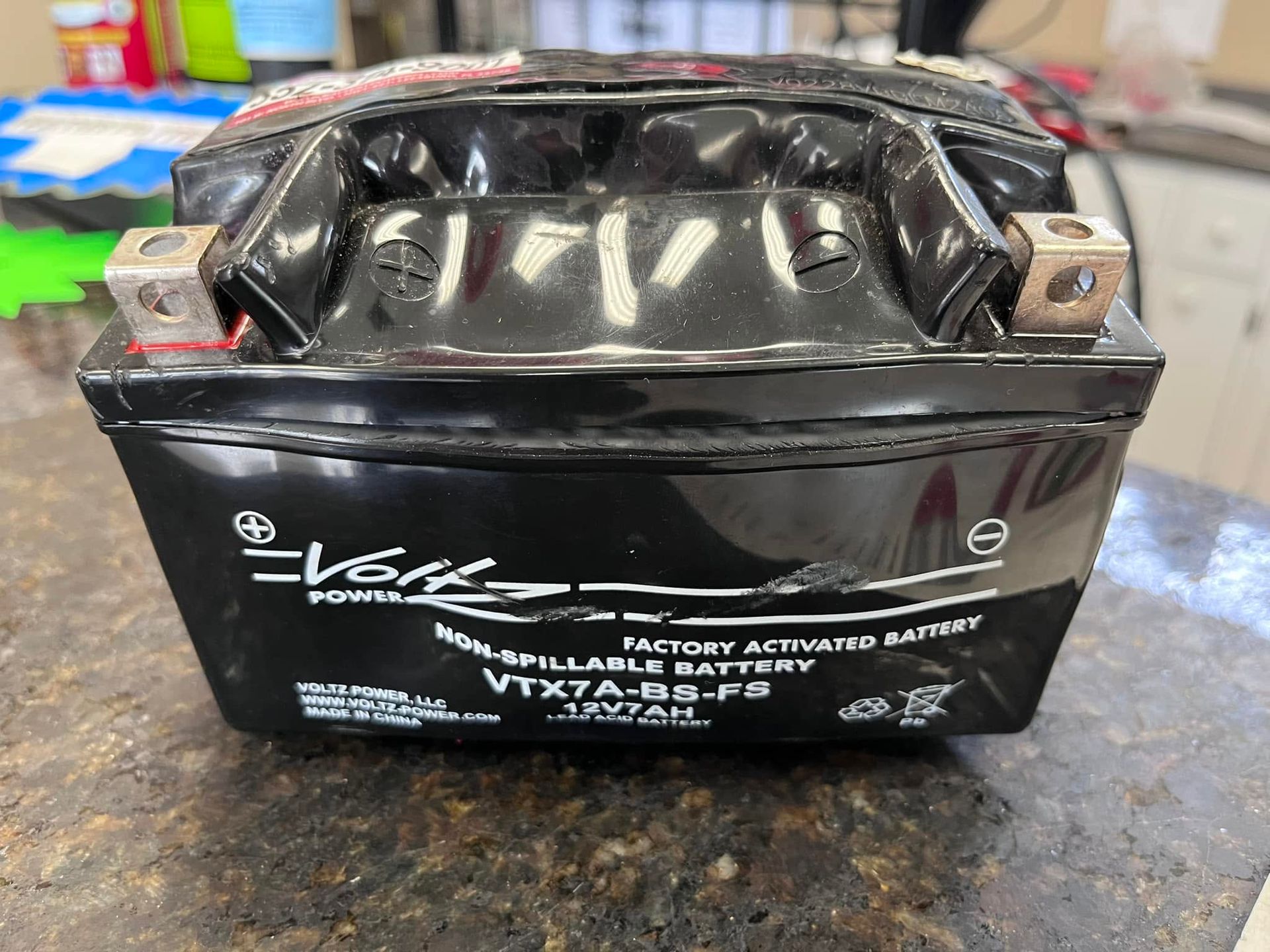
CHARGING
Onboard Charger Compatibility
Multi-bank chargers have to suit the chemistry on each bank. We check output profiles, confirm lithium and lead-acid are not being charged from the same unsuitable setting, and correct anything mismatched.
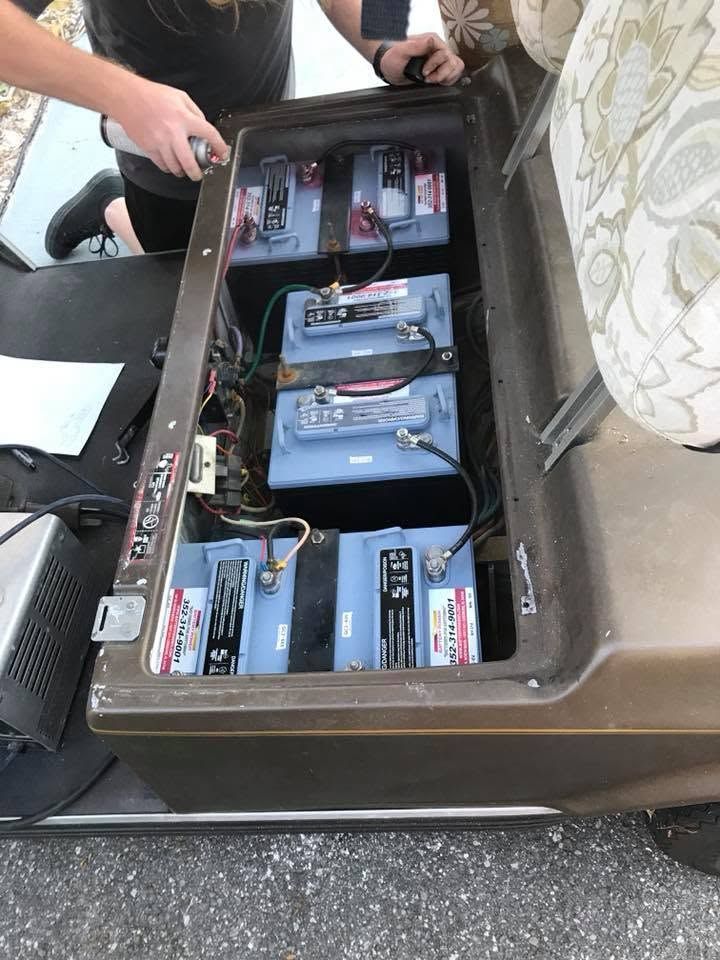
CORROSION CARE
Terminal And Cable Protection
Damp air finds every unprotected connection on a boat. Cleaning, tinning, coating and correctly torquing terminals stops the slow voltage loss that gets blamed on batteries long before anyone checks the cables.
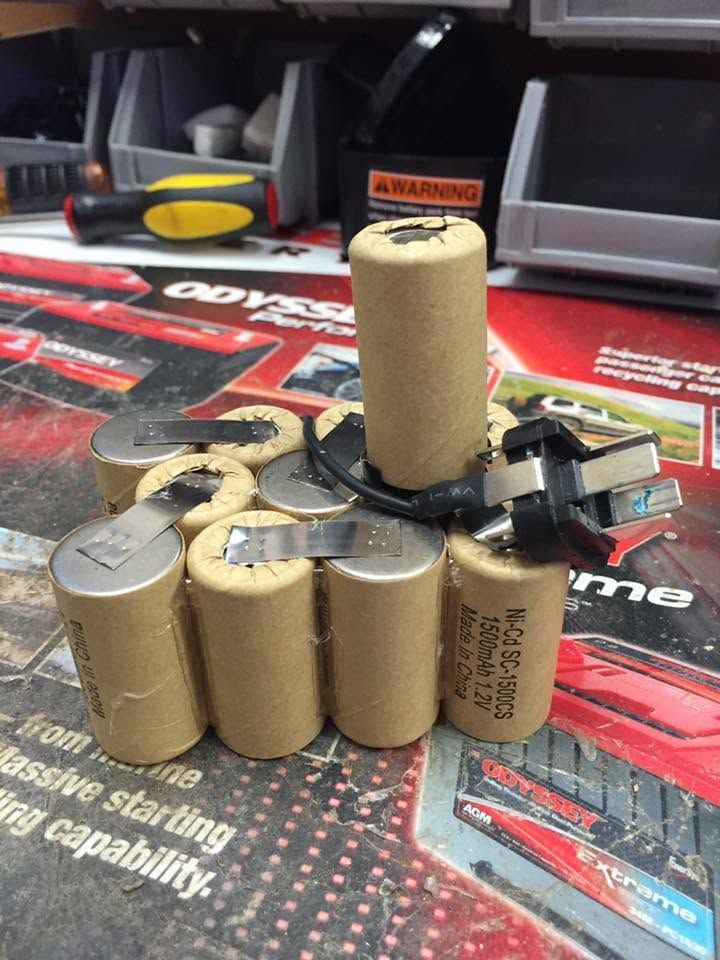
STORAGE PREP
Off-Season Storage Prep
Lead acid banks lose several percent of their charge every month at rest and suffer badly if left flat. We top up, test and advise on maintainers so the boat is ready when the season restarts.
★★★★★
Excellent Service and Support
Exemplary service! Amicable, punctual, overall went well.
Chris K.
➜ THE WORD ON OUR WORK
WHAT OUR CLIENTS SAY.
Anglers are blunt about gear, which suits us. The people who send others our way are usually the ones who launched at dawn on a bank we sized and came back at dusk with power to spare, then said so in a review.
➜ Common Questions
FREQUENTLY ASKED QUESTIONS.
These questions come up at the counter every week during the season. If yours is different, tell us the boat, motor and thrust rating through our contact page and we will help.
What is a dual purpose marine battery?
It combines a starting battery's burst output with some deep-cycle capacity, suiting small boats with one battery and modest accessory loads. Dedicated starting and deep-cycle units still outperform it in their own roles.
Can I use a car battery for a trolling motor?
No. Automotive batteries are built for short bursts and shallow discharge, so repeated deep cycling destroys the plates within a season. Deep cycle marine construction is designed for exactly that duty instead.
How many batteries does my trolling motor need?
One for a 12-volt motor, two wired in series for 24 volts and three for 36 volts. Thrust ratings above roughly 55 pounds usually move you to 24 volts, and above 80 pounds to 36.
What is the difference between MCA and CCA?
Both measure cranking current, just at different temperatures. Marine cranking amps are rated at 32 degrees while cold cranking amps are rated at zero, so an identical battery always lists a higher MCA number.
Should trolling batteries be wired in series or parallel?
Series for voltage, parallel for capacity. A 24-volt motor needs two 12-volt batteries in series, while parallel wiring keeps voltage the same and extends runtime instead. Mixing the two up damages equipment quickly.
Can I leave batteries in the boat over the off-season?
Only if they are fully charged and kept on a maintainer. Battery Power tests and preps banks for storage across Leesburg, FL, because a flat lead-acid battery deteriorates fast while sitting idle.
Can I mix battery brands or sizes in one bank?
Avoid it. Batteries in a bank should share chemistry, capacity and age, since the weakest unit sets the ceiling for the whole bank and gets worked hardest during every charge and discharge cycle.
Why buy marine batteries from you?
Because we test the whole bank and the wiring, not just sell a box. Battery Power stocks starting and deep-cycle marine models in Leesburg, FL, and helps you match them to your boat properly.
➜ HOW WE WORK
FROM YOUR RIG TO A BANK THAT LASTS, HERE IS HOW.
STEP 01
Tell Us How You Use The Boat
Engine size, trolling motor thrust, electronics load and a normal day on the water tell us more than any part number could. Fishing habits and run times shape the sizing far more than boat length does.
STEP 02
Test What Is On Board
Every battery in the bank goes on a load tester individually. That shows whether one unit is dragging down the others or whether the whole bank has reached the end of its working life.
STEP 03
Inspect Wiring And Charging
Cables, lugs, switches and the onboard charger all get checked carefully. Series and parallel arrangements are confirmed, and charger output is measured against the chemistry it is actually being asked to fill each night.
STEP 04
Match The Right Models
Starting banks are sized by marine cranking amps, house banks by amp hours and expected runtime. Group size, tray dimensions and terminal position all get confirmed against your boat before anything is ordered or fitted.
STEP 05
Fit, Wire And Protect
Batteries are seated, strapped down against vibration and wired to the correct configuration. Terminals are cleaned, coated and torqued so damp air has nothing easy to attack once the boat is back out.
STEP 06
Verify And Advise
The finished bank is checked under load and again after a full charge. Before you leave, we cover the charging routine, off-season storage and the early warning signs worth watching for next season.
➜ GET YOUR FREE BANK TEST
BRING THE BANK IN BEFORE THE SEASON, AND THE TEST IS FREE.
Find out what each battery is really holding before you plan a whole trip around it. We test the bank, check the wiring and tell you plainly what needs replacing. Book it through our contact page.
WHAT YOUR FREE TEST COVERS:
- Load test on every battery in the bank
- Series and parallel wiring verified
- Onboard charger output measured
- Cable, lug and terminal condition inspected
- Starting and deep-cycle sizing recommendation
- Free recycling on any battery we replace